




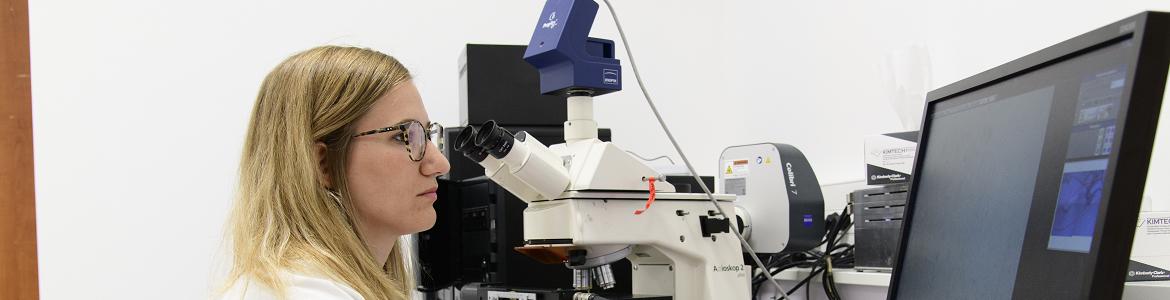
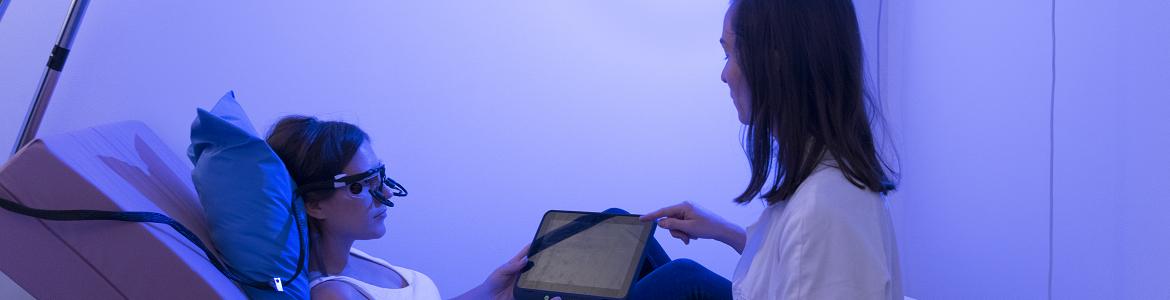
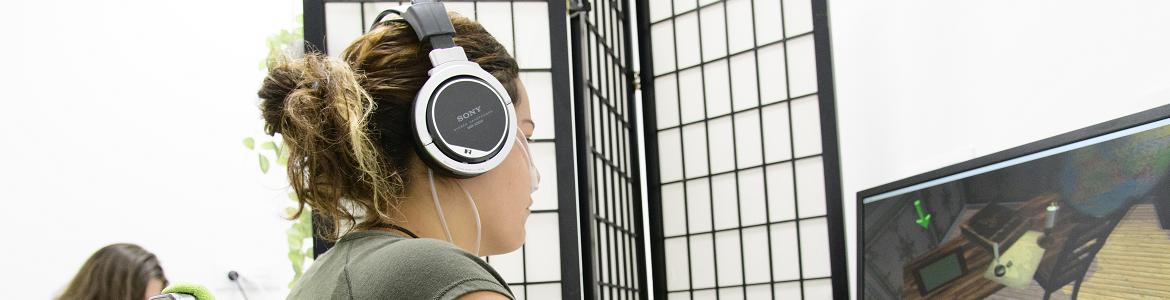
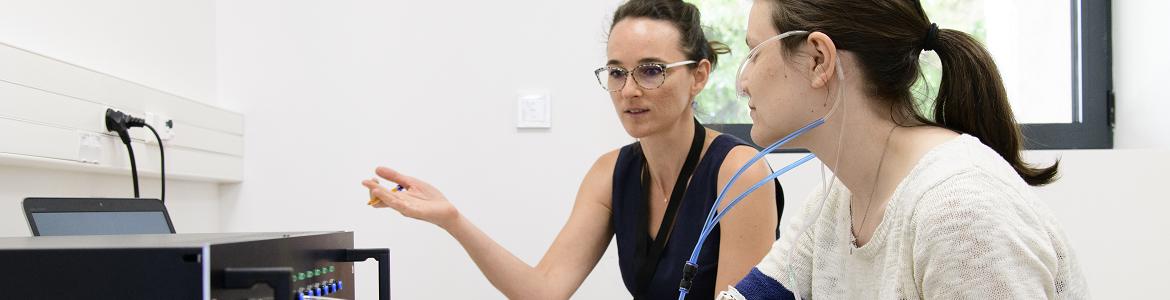

Caliani Hoarau, doctorante PAM
Caliani Hoarau, doctorante PAM

Hello everyone,
I am pleased to invite you to my thesis defense “Évaluation et remédiation des déficits du traitement de la hauteur tonale dans les troubles auditifs périphériques et centraux”, which will take place on Wednesday, December 17, at 2 p.m. in the IDEE amphi. The defense will be in French. The jury will be composed of Laurianne Cabrera (CR CNRS, Paris - external examiner), Daniele Schön (DR CNRS, Marseille - external examiner), Mathieu Marx (PU-PH, University of Toulouse - examiner) and Valérie Gaveau (MCF, Claude Bernard University Lyon 1 - examiner), Mickaël Lenfant (Happyneuron, PAU University of Rouen - guest member), Anne Caclin (DR INSERM, Lyon - supervisor), and Agathe Pralus (Consultant, EPSA - co-supervisor).
Caliani
Abstact:
Pitch is the auditory attribute that allows us to perceive sounds as low or high and plays an essential role in auditory cognition, particularly in music perception, prosody, and auditory scene analysis. In some cases, pitch processing can be impaired. In cases of peripheral hearing loss, cochlear implants (CIs) partially restore the auditory signal, but pitch perception remains limited. In cases of congenital amusia, a neurodevelopmental disorder, pitch perception is impaired due to deficits in cortical processing.
This PhD project aimed to characterize the different profiles of pitch perception deficits in peripheral (patients with CIs) and central (congenital amusia) auditory disorders, and to evaluate the effectiveness of auditory remediation in these disorders. First, we observed strong deficits in pitch perception and memory in individuals with amusia, and to some extent in emotional prosody. Second, we evaluated the benefits a an audiovisual pitch training program in individuals with amusia, control participants and patients with CIs. In individuals with amusia, behavioral data showed improved pitch perception after the audiovisual pitch training. In addition, electrophysiological measures (MEG) showed reduced N1 responses during the encoding of sound sequences. Interestingly, in CI users we observed behavioral benefits of the audiovisual pitch training program on their hearing-in-noise abilities. These results suggest that pitch training can enhance auditory perception and induce changes in the brain. Moreover, such benefits could transfer to other auditory abilities as observed with improved hearing-in-noise perception in CI users.
A buffet will be held after the defense at the DYCOG library (building 452)
CRNL | IDEE | Amphithéâtre | 59 Boulevard Pinel | 69500 Bron